
Naoshima with Kids: What Actually Works (and What Doesn’t)

Naoshima’s reputation is “quiet, minimalist contemporary art island,” which understandably makes parents wonder if it’s the wrong fit for a family trip. It isn’t — but it does work differently with kids than it does for a couple on an art pilgrimage. Here’s what to actually expect, museum by museum, plus where to stay so the trip works for everyone.
The Honest Part First: The Museums Are Genuinely Quiet
Our museum rules guide is blunt about this: Chichu, Lee Ufan, and Benesse House Museum are intentionally minimal, contemplative spaces, and phone calls, loud conversation, and group chatter carry much further than in a typical museum — staff will ask you to keep it down. We couldn’t find a published age restriction for any of them, but if your child is at an age where sitting quietly for 20+ minutes in a dim room is a struggle, go in with realistic expectations rather than assuming it’ll be fine.
Finding Naoshima Note: This isn’t a reason to skip the museums — it’s a reason to pick one, not four, and build slack around it. A rushed multi-museum day with a toddler in tow is a recipe for a bad afternoon for everyone.
Strollers: Where They Work and Where They Don’t
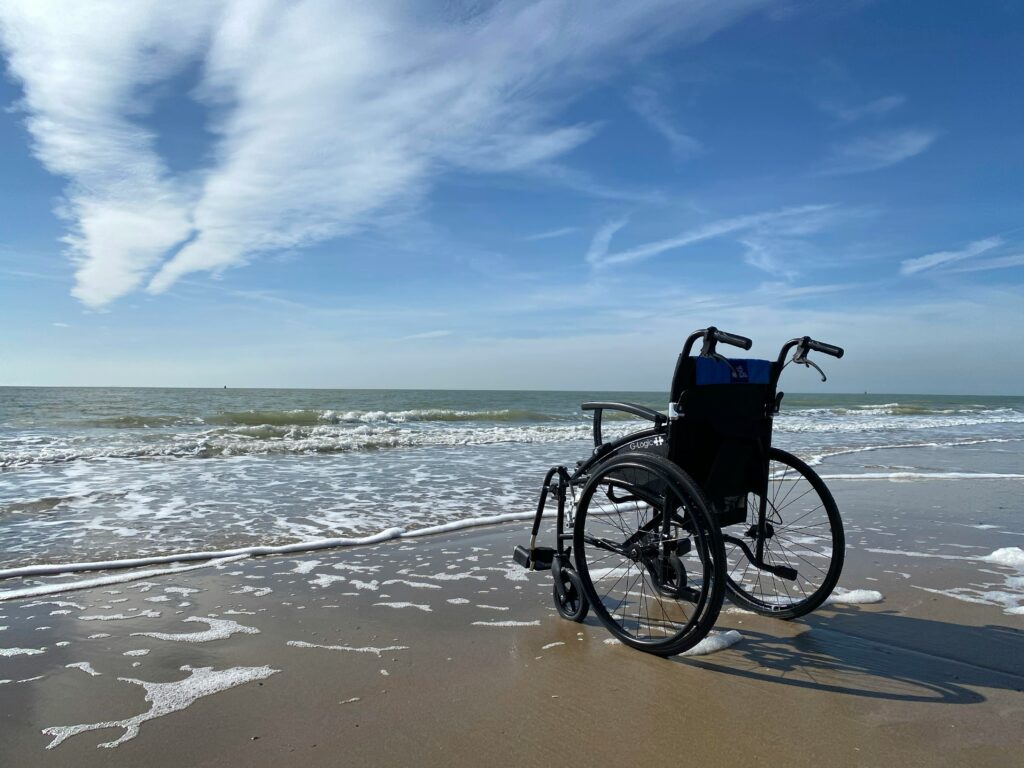
We dug into this in detail in our wheelchair and stroller guide; here’s the part that matters most for families:
- Chichu Art Museum: Strollers aren’t allowed inside the exhibition space. You leave yours at the Ticket Center or reception — and the museum has baby slings available to borrow instead, which is a genuinely useful, easy-to-miss detail.
- Benesse House Museum & Lee Ufan Museum: Neither museum publishes a detailed stroller policy, so treat this as unconfirmed and ask on arrival.
- Art House Project (Honmura): These are century-old houses with steps, narrow doorways, and uneven floors. A stroller is more of a liability than a help here.
- The paths in general: The gravel and unpaved stretches near Chichu and Benesse House are hard going for a standard stroller. A lightweight model with sturdier wheels will save you a lot of frustration.
What Kids Actually Tend to Enjoy
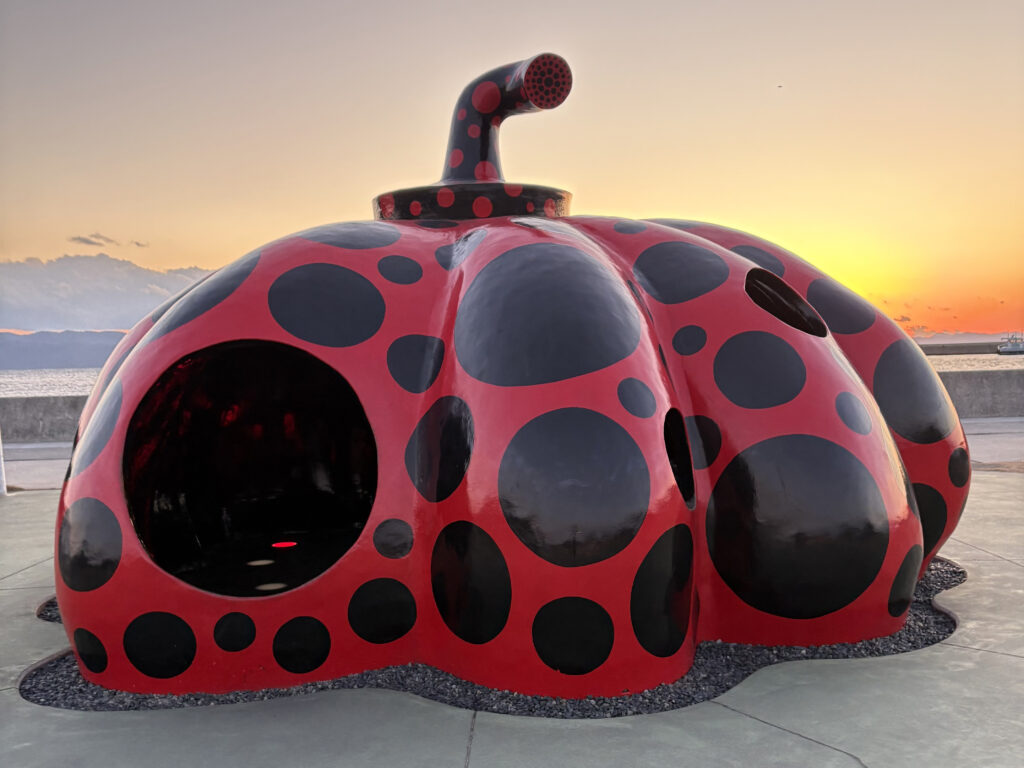
The outdoor art is where Naoshima gets genuinely kid-friendly. Yayoi Kusama’s Yellow Pumpkin (by Benesse House) and Red Pumpkin (at Miyanoura Port) have no opening hours, no ticket, and no need to stay quiet — you can walk up and photograph them any day of the week. For a kid who’s had enough of hushed galleries, a giant polka-dot pumpkin they’re allowed to get close to is exactly the reset they need.
Finding Naoshima Note: Build your day around one museum in the morning (Benesse House Museum is a solid pick — it’s not affected by the Monday closures and stays open until 9 PM) and treat the pumpkins and the shoreline as the free-roam part of the afternoon.
Where Families Should Actually Stay
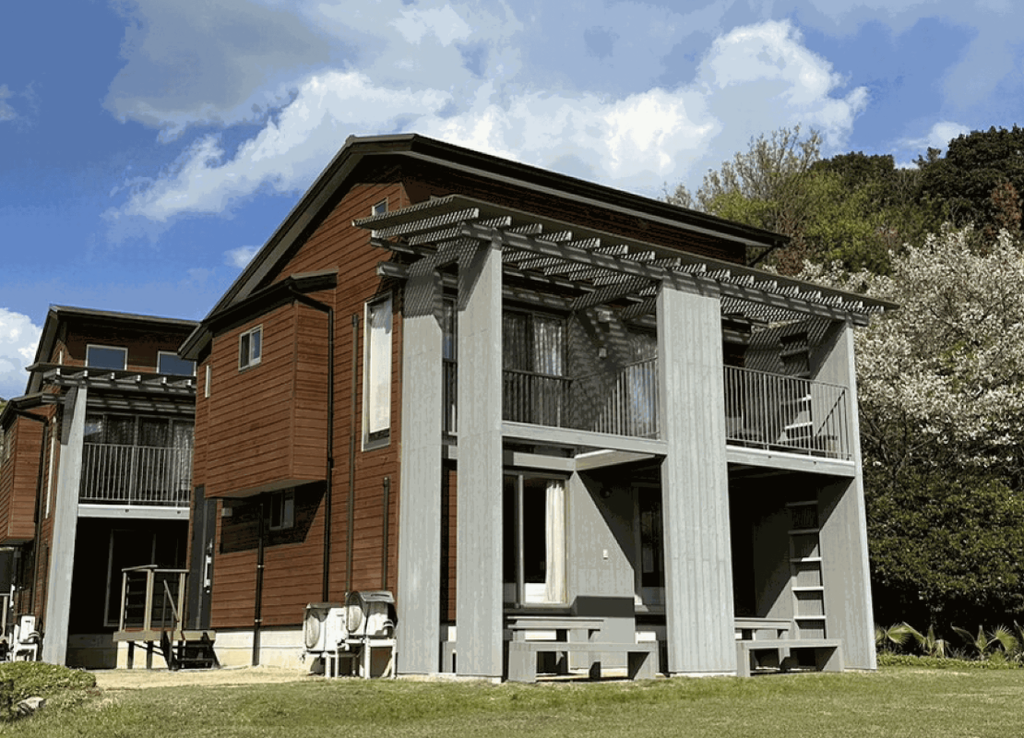
Hotel rooms mean everyone’s on top of each other after a long day, and a toddler’s bedtime doesn’t always sync with a family sharing one room. This is where Naoshima’s whole-house rental cottages genuinely solve a problem hotels don’t:
| Property | Setup | Capacity | Kid-relevant features |
|---|---|---|---|
| Healing Cottage OHANA (Kai / Lani villas) | Whole-house, 2-story | 8–10 people | Full kitchen, washing machine, BBQ yard, steps from Gotanji Beach |
| Tsutsujiso (cottage) | Whole-house | Up to 4 people | Private bath, beachfront location, on-site cafe |
Both put you within a few minutes of a beach — which, frankly, does more heavy lifting for a family trip than another museum will. See our full Healing Cottage OHANA guide or Tsutsujiso guide for booking details.
Finding Naoshima Note: A kitchen also sidesteps the island’s other family pitfall — restaurants that close earlier than you’d expect. If dinner timing is a worry, our dinner trap guide covers it, but cooking in means it’s simply not an issue.
A Realistic Family Day Plan
- Morning: One museum, not several — Benesse House Museum is the most forgiving choice since it doesn’t require the same timed-entry precision as Chichu.
- Midday: Lunch and a break — Honmura’s cafes (see our restaurant roundup) are a good change of pace after a museum.
- Afternoon: Yellow Pumpkin, Red Pumpkin, and beach time near your accommodation — the part of the day with zero quiet-voice pressure.
- Evening: Cook at your cottage, or lock in a dinner reservation early (see the dinner trap guide above) rather than wandering at 7 PM hoping something’s open.
For help figuring out how many days this all needs, see our trip-length planning guide.