
Naoshima Museum Rules: Photography, Bags & Reservations First-Timers Get Wrong
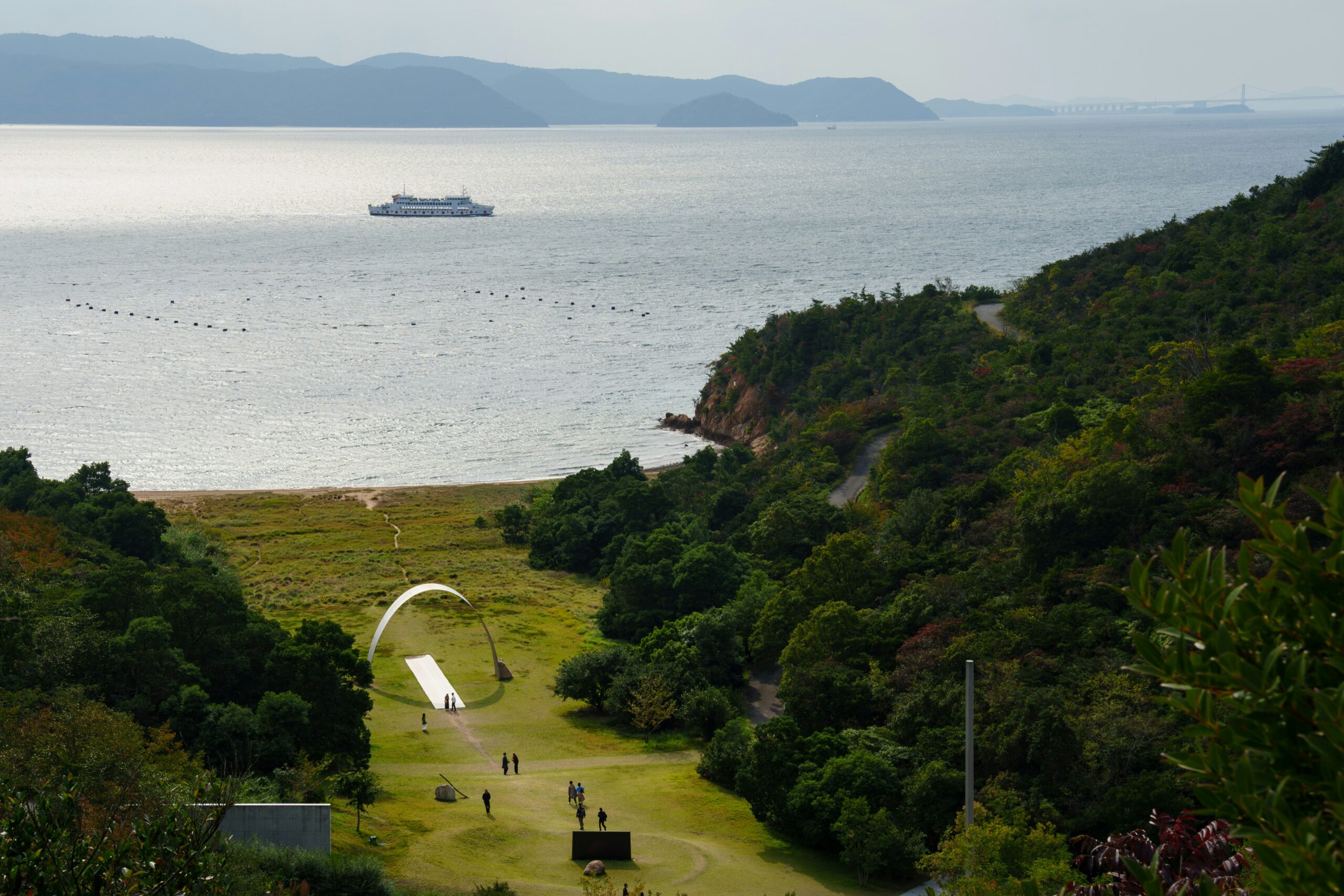
Naoshima’s museums weren’t built like typical city galleries, and the rules that come with them aren’t always what you’d expect. Each one has its own quirks — one lets you photograph almost everything, another only up until you walk past the front desk — and getting caught out mid-visit isn’t a great way to spend a ticket that can cost several thousand yen. Here’s what’s actually allowed, museum by museum, so you’re not the person being quietly reminded by staff.
Photography Rules, Museum by Museum
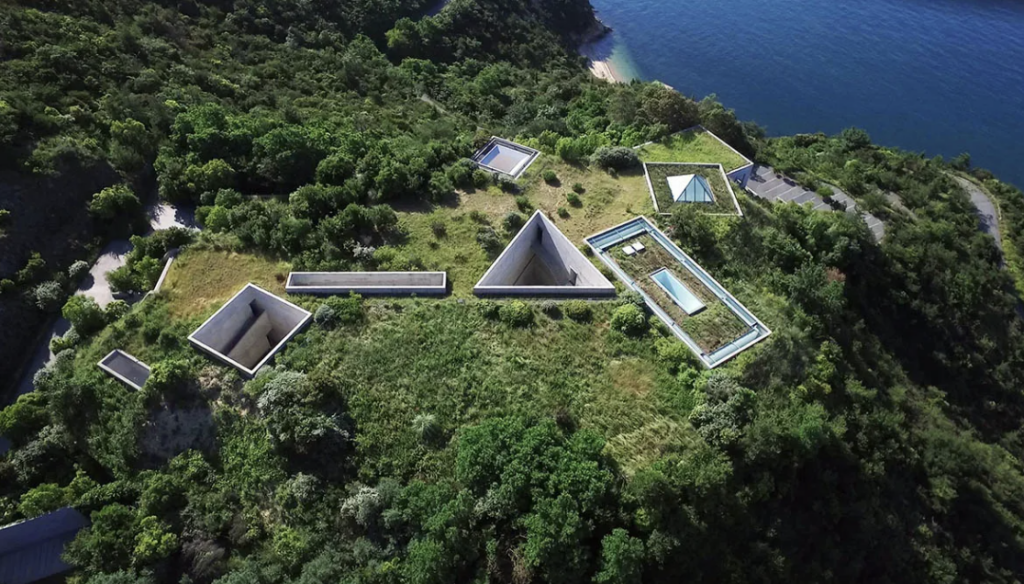


A few rules apply everywhere on Benesse Art Site Naoshima, so get these out of the way first: no flash, no tripods, no selfie sticks, no telephoto lenses, and no drones, anywhere. Video is generally not allowed either. All of this is for personal, non-commercial use only — professional or promotional shoots need separate permission.
Beyond that baseline, what you can actually point your camera at varies a lot by museum:
| Museum | Photography | The Catch |
|---|---|---|
| Naoshima New Museum of Art | Allowed | Except Makoto Aida’s Monument for Nothing (the red torii piece) |
| Benesse House Museum | Allowed | Except Yukinori Yanagi’s Banzai Corner |
| Chichu Art Museum | Reception area only | No photos once you’re inside the actual galleries |
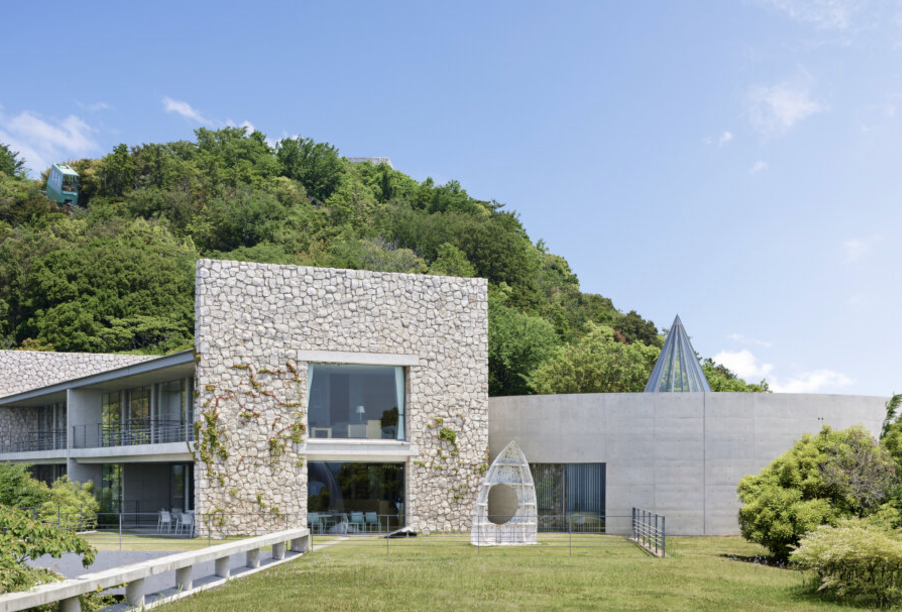
| Lee Ufan Museum | Outdoor works + reception only | Nothing inside the indoor galleries |
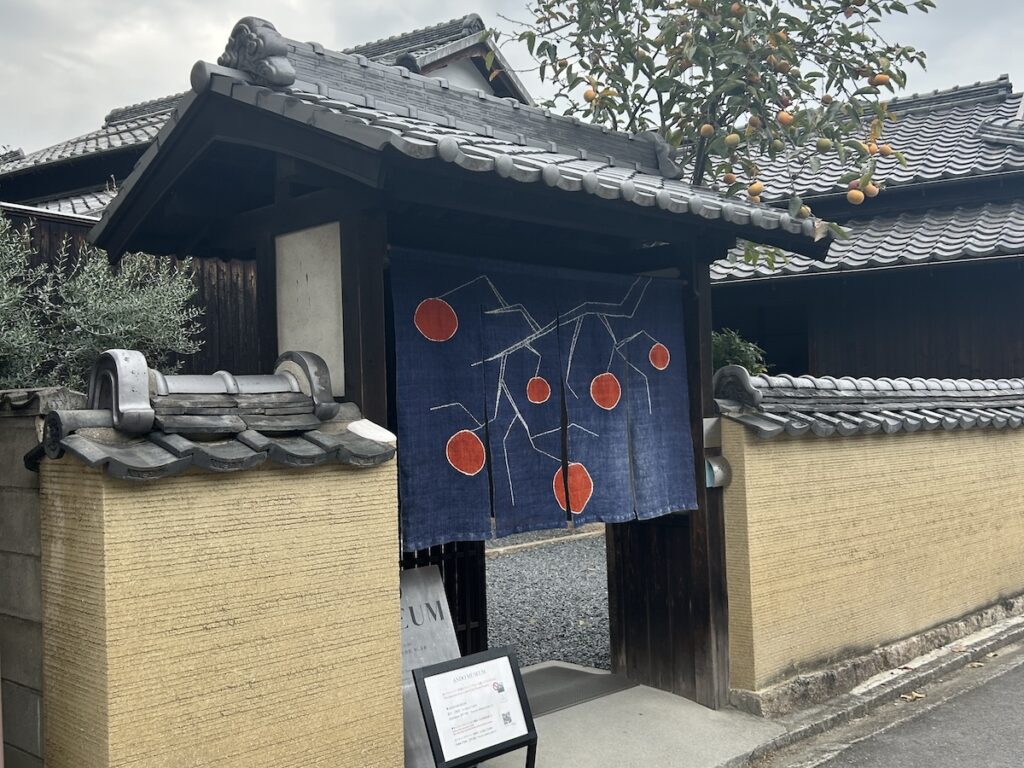
| Art House Project | Allowed | Except “Minamidera” and “Kinza” |
| ANDO MUSEUM | Not specified | No official policy listed — ask staff on arrival rather than assume |
Finding Naoshima Note: Chichu and Lee Ufan are the two that trip people up most, because the rule isn’t “no photos” — it’s “no photos past a certain point.” You can shoot freely right up until the reception desk, and then it’s phones-away for the rest of the visit. If you’re the type to forget and reach for your phone out of habit once you’re inside, it’s worth reminding yourself before you walk in, not after a staff member reminds you.
Bags & Luggage: What You Can’t Just Carry In
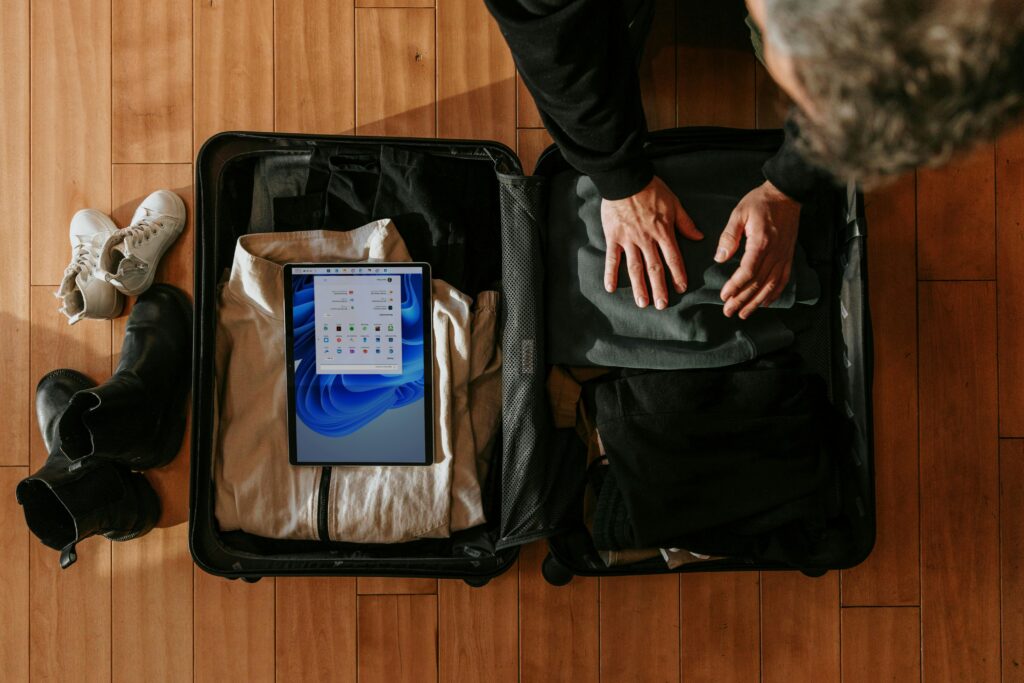
Museum lockers on Naoshima aren’t a nice-to-have — at some museums, they’re the only way in if you’re carrying anything bulky.
- Naoshima New Museum of Art: suitcases, umbrellas, and tripods aren’t allowed inside at all. You’ll need to leave them in a locker or hand them to the reception counter before you go in.
- Chichu Art Museum: has both free coin lockers and a staffed baggage check, so it’s the most flexible of the three for anyone arriving with a full daypack or larger bag.
- Benesse House Museum: has free coin lockers, but no staffed baggage-check service — so anything too big for a locker doesn’t have a fallback option here.
If you’re island-hopping with real luggage rather than a day bag, this isn’t really a museum-by-museum problem to solve on the fly — our guide to sending luggage ahead on Naoshima covers how to avoid carrying it between museums in the first place.
The Reservation Trap: On-Site Tickets Are Usually Sold Out

This one isn’t really an in-museum rule, but it’s the pitfall that ruins the most trips: Chichu Art Museum runs on a fully timed-reservation system, with tickets for a given month released on the 5th of the month, two months ahead, at 10:00. There is a ticket window on the day (¥2,800 on weekdays and ¥3,000 on weekends and holidays, versus ¥2,500 and ¥2,700 online), but its allocation is sold out on most days — unlike a lot of museums where showing up and buying at the door is a safe option. If Chichu is a must-see for you, treat the online booking date as a real deadline rather than something to sort out once you’ve landed. Our Chichu Art Museum ticket guide walks through the exact booking process.
Other Rules Worth Knowing
A couple of smaller things that are easy to miss:
- Shoes off in places you won’t expect: some indoor areas, including at the Lee Ufan Museum, require you to remove your shoes. Socks without holes are a genuinely useful thing to plan for.
- Keep it quiet: these are contemplative, minimalist spaces by design — phone calls, loud conversation, and group chatter carry a lot further than they would in a typical museum, and staff will ask you to keep it down.
Finding Naoshima Note: If keeping track of which museum allows what, and which one needs a reservation two months out, sounds like more logistics than you want to manage on a short trip, this is exactly the kind of thing a guided Naoshima tour is built to handle — someone else tracks the rules and the reservation windows, and you just show up.