
Is Naoshima Wheelchair & Stroller Friendly?A Local’s Honest Accessibility Guide
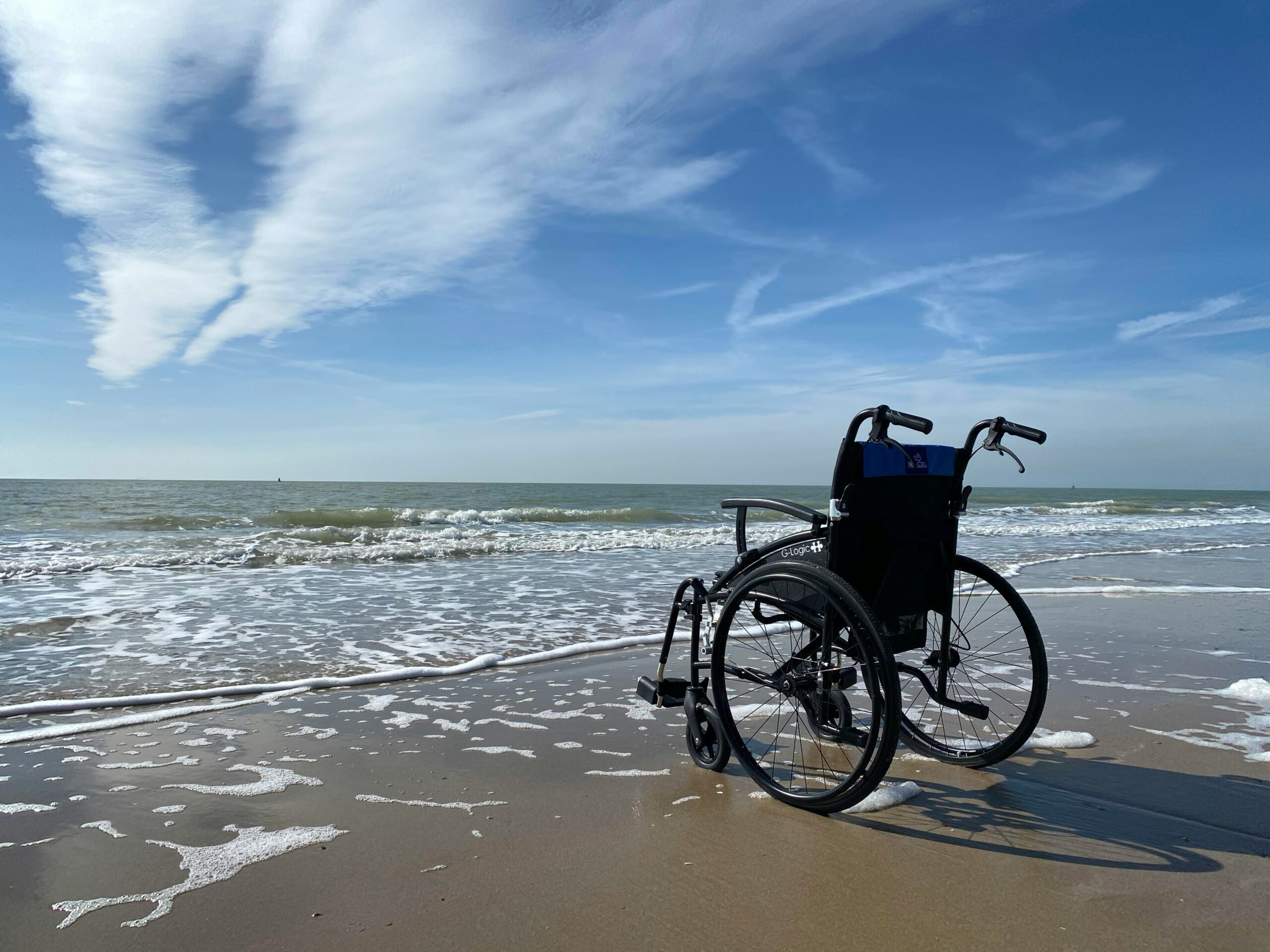
If you’re bringing a wheelchair, or pushing a stroller through Naoshima’s art-filled lanes, you’ve probably already found the same frustrating answer everywhere: “it depends.” As someone who lives on Naoshima, I want to give you something more useful than that — a straight, area-by-area breakdown of what actually works, what doesn’t, and what you should call ahead about before you commit to a route.
The Short Answer: Naoshima Is Partially Accessible — Here’s What to Expect
Naoshima is not a flat, fully barrier-free destination. It’s a small island with hilly terrain, gravel paths around several art sites, and a historic district built long before accessibility codes existed.
That said, the ferries are genuinely well-equipped, the flagship museums provide wheelchairs and multi-purpose restrooms, and with a bit of planning, most visitors with mobility needs can still enjoy a meaningful day here. The area that needs the most caution is the Art House Project in Honmura, where centuries-old houses were never built with ramps in mind.
Getting to Naoshima: Ferry & Port Accessibility
Takamatsu / Uno Port Ferries (Shikoku Kisen)
This is genuinely good news: Shikoku Kisen, the company running the Takamatsu–Naoshima and Uno–Naoshima routes, has invested in barrier-free design. Their newer ferry, the Asahi, has wide corridors, elevators you can use while the ship is in port, dedicated wheelchair seating, and multi-purpose restrooms. Staff can assist with boarding if you let them know in advance.
Good to know: the regular car ferry (about 50 minutes) carries vehicles and boards more gradually, while the high-speed passenger boat (about 25 minutes) is foot-passenger only. If mobility is a concern, the car ferry is the more comfortable choice, and staff assistance is available on both.
Port Terminals: Uno & Takamatsu Confirmed, Miyanoura Less Clear
The mainland terminals at Uno Port and Takamatsu Port are confirmed barrier-free, with accessible waiting rooms, ticket counters, shops, and restrooms, plus signage in Japanese, English, Chinese, and Korean. For Miyanoura Port on the Naoshima side, we couldn’t independently confirm the same level of detail — if you’ll need specific facilities on arrival, it’s worth asking Shikoku Kisen staff or the port information desk when you land.
Getting Around Naoshima: Town Bus, Shuttle Bus & Taxi
Town Bus (“Sunao-kun”)
The island’s community bus runs from Miyanoura Port through the Honmura area to Tsutsuji-so, seats around 28 people, and costs ¥100 for adults. Here’s the honest part: we couldn’t confirm a low-floor or wheelchair-designated space on this bus from official sources, and passenger reviews suggest its accessibility is limited. If you’re traveling with a wheelchair, call the town bus operator ahead of your trip to confirm, rather than assuming you can simply roll on.
Benesse Art Site Free Shuttle Bus
From Tsutsuji-so, a free shuttle connects you to the Benesse House area every 15–30 minutes depending on the season. As with the town bus, we don’t have confirmed accessibility specs for this shuttle — treat it the same way: confirm before you rely on it.
Taxi Options for Wheelchair Users
We looked for a dedicated wheelchair-accessible (“welfare vehicle”) taxi service specific to Naoshima and couldn’t verify one from official sources. Local taxi companies do run larger vehicles (minivans seating 6–9), which may help if you’re traveling with a folding wheelchair and companions, but a lift-equipped vehicle is not confirmed to be available on the island. Call a local taxi company directly, in advance, if you need a wheelchair-accessible vehicle — don’t leave this to chance on arrival.
Museum-by-Museum Accessibility Breakdown
Chichu Art Museum
Chichu offers 2 wheelchairs on a first-come, first-served basis, and has 3 multi-purpose restrooms on-site (one with a baby-changing table in the main building, one at the Ticket Center). That said, the museum is built largely underground, and it openly states that some areas aren’t accessible to all visitors due to the building’s design. Strollers aren’t allowed inside the exhibition space — you’ll need to leave yours at the Ticket Center or reception, where baby slings are available to borrow instead.
Naoshima New Museum of Art
Also provides 2 wheelchairs on a first-come, first-served basis, plus multi-purpose restrooms. Service and assistance dogs are welcome throughout the facility.
Benesse House Museum & Lee Ufan Museum
Official sources don’t publish the same level of accessibility detail (wheelchair count, specific restroom locations) for these two as they do for Chichu and the New Museum of Art. Confirm accessibility needs directly with the museum before your visit — don’t assume parity with the other facilities.
Art House Project (Honmura District)
This is the area to plan around most carefully. The Art House Project transforms genuinely old buildings — Kadoya, for instance, is roughly 200 years old — into art spaces, which means steps, narrow doorways, and uneven floors are common. Combined with Honmura’s hilly streets, navigating this district in a wheelchair without assistance is difficult. The official guidance is consistent across venues: contact each house directly ahead of time to ask what’s realistically possible.
Stroller Tips: Rentals, Baby Slings & Gravel Paths
Several art sites — particularly around Chichu and Benesse House — are known for gravel or unpaved paths that are hard going for standard strollers. If you’re headed to Chichu specifically, plan to leave your stroller at the entrance and use a borrowed baby sling instead, rather than trying to push it through the exhibition rooms (it’s not permitted anyway). For the rest of the island, a lightweight, sturdy-wheeled stroller will serve you far better than one built for smooth pavement.
Practical Advice: What to Book or Confirm in Advance
- Call Shikoku Kisen ahead of your ferry if you’ll need boarding assistance, and ask about choosing the car ferry over the high-speed boat.
- Call the town bus operator and the Benesse shuttle if you plan to rely on public transport with a wheelchair — accessibility specs aren’t published, so a phone call is the only way to know for sure.
- Call ahead to any taxi company if you need a wheelchair-accessible vehicle; don’t assume one will be available on arrival.
- Call individual Art House Project venues if you’re set on visiting Honmura with a wheelchair — some houses will be far more workable than others, and staff can tell you honestly which ones.
- Wheelchairs are first-come, first-served at Chichu and the New Museum of Art — arriving early in the day improves your odds.
FAQ
- Can I rent a wheelchair on Naoshima?
-
Chichu Art Museum and the Naoshima New Museum of Art each keep a small number of wheelchairs on-site for visitors, but availability is first-come, first-served and not guaranteed. There’s no confirmed island-wide wheelchair rental service, so bringing your own is the safer option if you’ll need one throughout the day.
- Is Naoshima good for a stroller if my child is very young?
-
Yes, in most areas — just expect gravel sections near Chichu and Benesse House, and plan to leave the stroller at the entrance if you’re visiting Chichu, where a baby sling is provided instead.
- Should I contact museums before visiting if I use a wheelchair?
-
Yes. Every facility we researched, officially, recommends contacting them directly in advance to discuss your specific needs — this isn’t just caution on our part, it’s their own stated guidance.
Experience Naoshima with Finding Naoshima
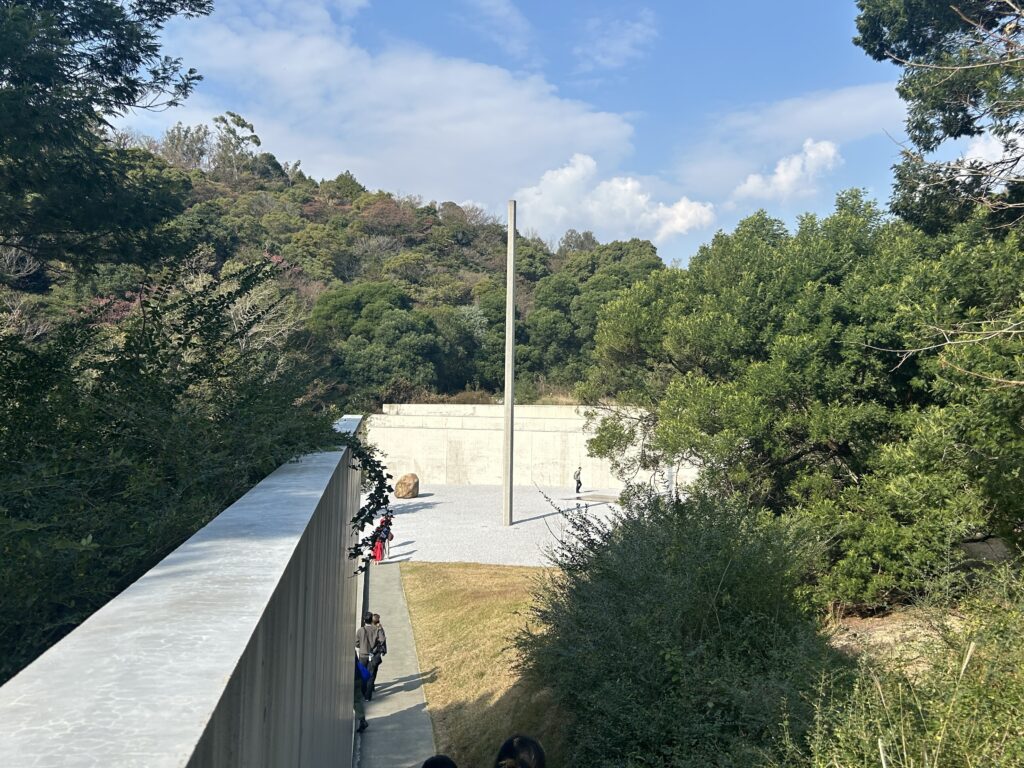
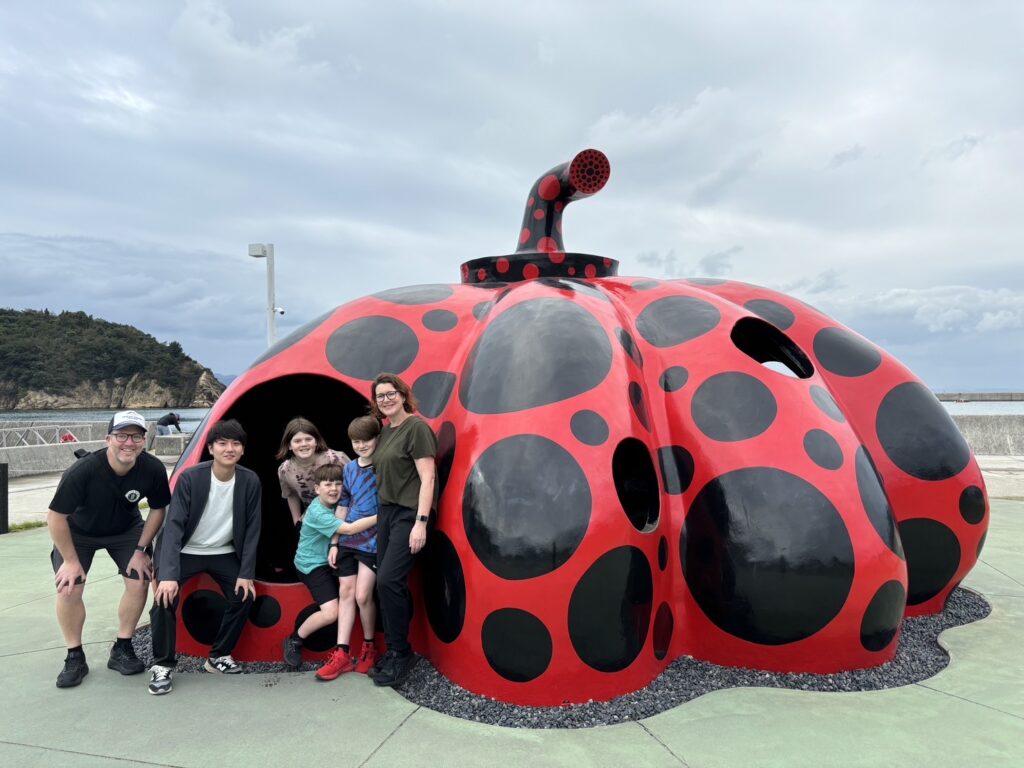
Navigating ferry docks and bus connections is just the first step of your island adventure. At Finding Naoshima, we help international travelers unlock the deepest cultural stories, architectural wonders, and hidden culinary gems across the Seto Inland Sea.
Whether you need private guided tours, customized itineraries, or recommendations for local seaside dining, explore our full suite of digital guides at Finding Naoshima to plan your trip!
👉 Click here for more details about our tours.