7 Essential Things to Know Before Visiting Naoshima Island
Naoshima looks simple from the outside — a small island, a handful of famous museums, a ferry ride away from the mainland. It’s only once you start planning that you realize how many small rules and quirks shape whether your day actually works. Here are the seven things worth knowing before you book anything, gathered from the mistakes we watch first-time visitors make over and over.
1. Carry Cash — More Than You’d Expect To Need
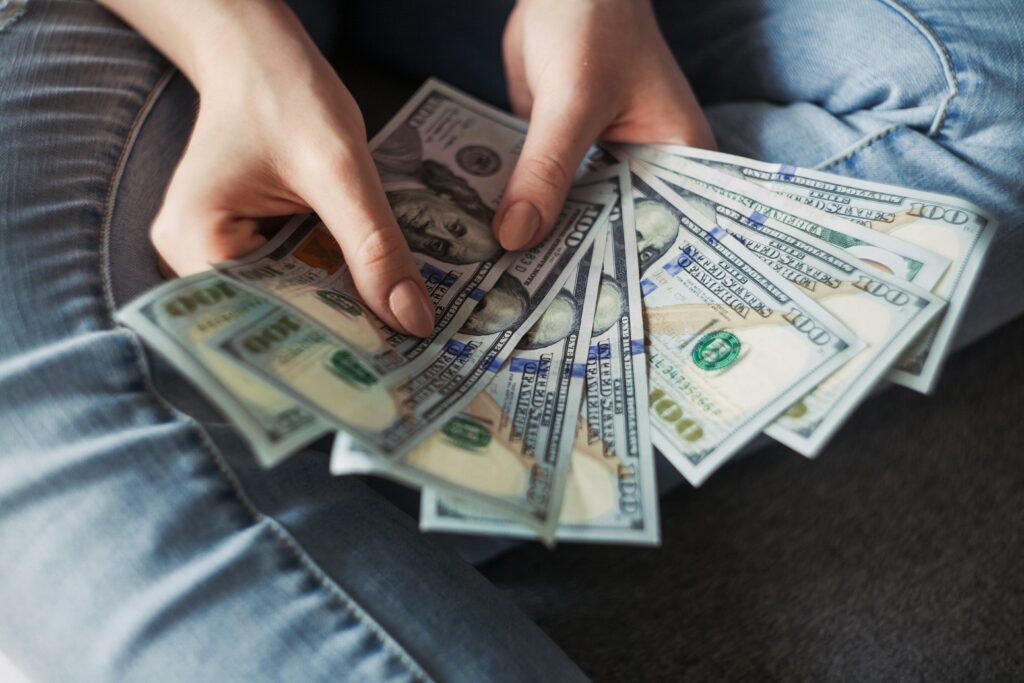
Naoshima runs on a mix of card and cash, but lean toward cash. Small cafes, izakaya, coin lockers, local buses, and the water taxi all tend to favor cash over card, and it’s not always obvious which businesses accept what until you’re standing at the counter. Bring a mix of bills and ¥100 coins — lockers and vending machines won’t wait for you to find an ATM.
2. Book Chichu Art Museum Two Months Ahead — Literally, on the 5th
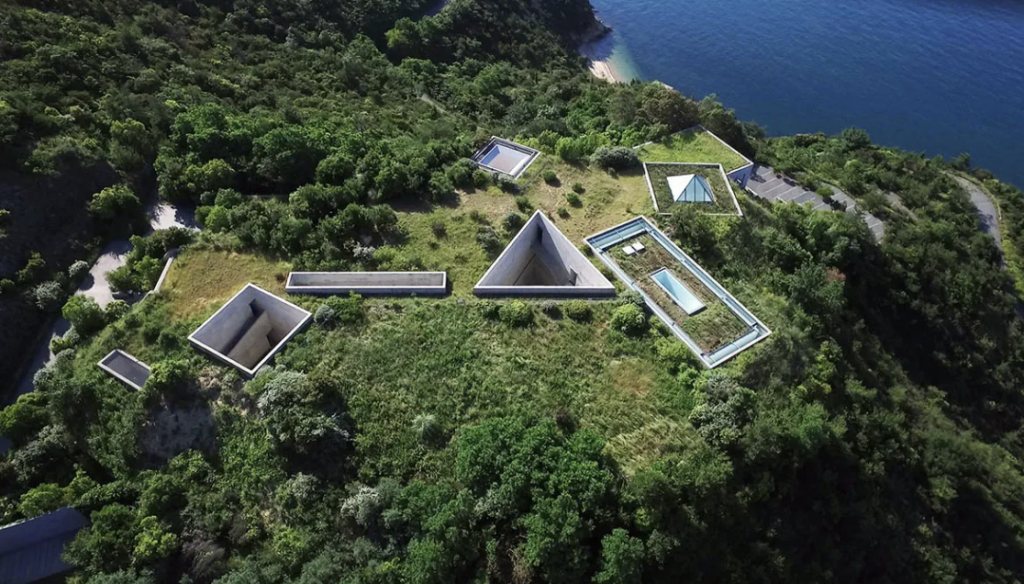
If Chichu Art Museum is on your list, this is the single most important logistics fact on this whole page: Chichu Art Museum runs entirely on timed-entry online reservations, and tickets for a given month go on sale on the 5th of the month, two months ahead, at 10:00 a.m. Miss that date and there’s generally no walk-up option waiting for you — the museum is popular enough that online slots really can sell out. If you’re reading this while your trip is still just an idea, that date is worth writing down now.
Finding Naoshima Note: Working backward — if you want to visit in November, mark September 5th at 10:00 a.m. on your calendar. It’s easy to forget a date that far out, so set a phone reminder the moment you settle on a travel month.
3. Monday Closes More Than You’d Think
Most of Naoshima’s headline museums close on Mondays — Chichu, Lee Ufan, and Naoshima New Museum of Art among them. If a holiday falls on a Monday, the closure just shifts to the next weekday instead, so a “lucky” holiday Monday can still catch you out on Tuesday. If your trip dates are flexible, checking the calendar before booking ferries and accommodation can save you from building a day around museums that turn out to be shut.
4. Every Museum Has Its Own Photography and Bag Rules
Unlike a typical city gallery where the rules are the same throughout, Naoshima’s museums each set their own policy — and the differences catch people out. Some allow photography almost everywhere except one or two specific artworks; others only let you shoot up to the reception desk, with no cameras once you’re past it into the actual galleries. Bag rules vary too — Naoshima New Museum of Art doesn’t allow suitcases inside at all, for instance, while other museums are more flexible with lockers or a staffed baggage check. Don’t assume the rule from one museum carries over to the next.
5. The Museums Close Earlier Than You’d Plan For
Most of Naoshima’s major museums stop admitting visitors well before dinnertime. Chichu Art Museum and Lee Ufan Museum cut off admission around 4:00–4:30 p.m., and Naoshima New Museum of Art does the same at 4:00 p.m. Benesse House Museum is the one real exception, staying open until 9:00 p.m. If you’re building a day around multiple museums, plan your route so you’re not racing an early afternoon deadline you didn’t know existed.
6. Big Luggage Doesn’t Really Work Here
If you’re arriving with a full-size suitcase, know upfront that carrying it between museums, up hillside paths, and onto crowded ferries is not a realistic way to spend your day. Sending your luggage ahead or using lockers at the port so you’re moving around with just a day bag makes a genuinely bigger difference to how your visit feels than most people expect before they try it the hard way.
7. You Won’t Be Driving Yourself — Plan Around Bikes and Buses Instead
Naoshima isn’t set up for visitors to rent and drive their own car around the island, and even if it were, parts of the Honmura district restrict vehicle access. Most people get around by rental bicycle or the island’s local bus, and both have their own timing quirks — bike rental stock runs low on busy days, and buses don’t run as frequently as city transit. Building in a little slack for this, rather than assuming door-to-door convenience, keeps your day from feeling rushed.
Finding Naoshima Note: If keeping track of seven different things — reservation dates, closure days, photography rules, and getting around without a car — feels like more logistics than you want to manage on a short trip, a guided Naoshima tour is built to handle exactly this. Someone else tracks the rules and the timing, and you just show up.
Where to Go From Here
Once these seven are out of the way, the next practical question is usually how many days you actually need on the island, followed by when in the year to go if your dates are still flexible. If you’re ready to build an actual schedule, our 1-day itinerary is a solid place to start, and this restaurant guide covers the one thing this list didn’t: where to actually eat.
FAQ
- What’s the most common mistake first-time visitors make on Naoshima?
-
Not booking Chichu Art Museum tickets early enough. It’s a fully timed-entry system with tickets released on the 5th of the month, two months ahead — miss that window and you may not get in at all.
- Do I need cash on Naoshima?
-
Yes, more than you might expect. Small restaurants, cafes, lockers, and local buses often favor cash over card.
- Can I rent a car on Naoshima?
-
It’s not the standard way to get around — most visitors use rental bicycles or the local bus, and parts of Honmura restrict vehicle access regardless.
- Are all the museums closed on the same day?
-
Most of the major ones (Chichu, Lee Ufan, Naoshima New Museum of Art) close on Mondays, but Benesse House Museum stays open daily.