Naoshima Bath “I♥湯” (I Love Yu): Rules, Hours, and Experience
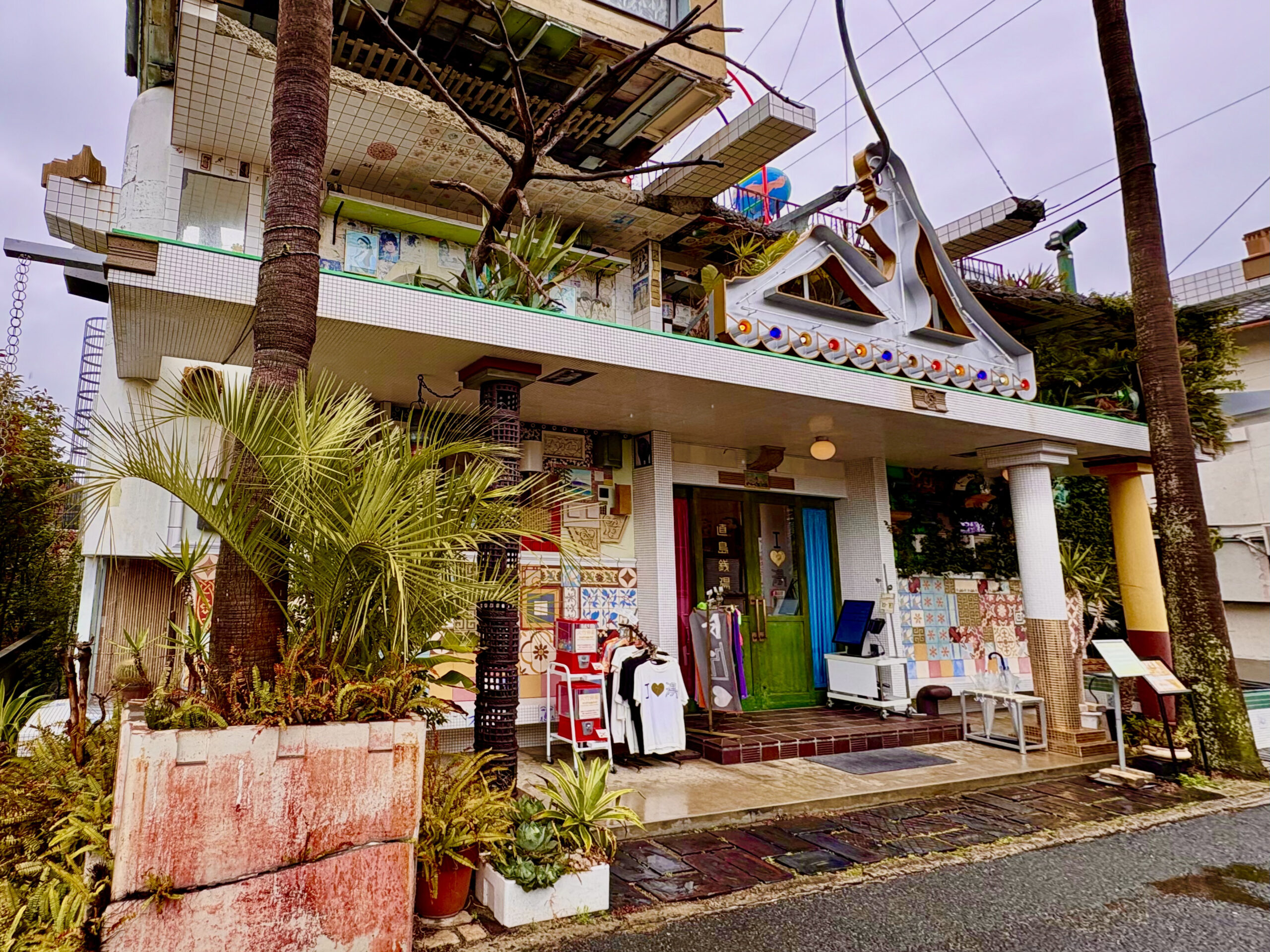
Most of Naoshima’s art is meant to be looked at. “I♥湯” is meant to be bathed in. It’s one of the few pieces on the island you don’t just walk past — and for visitors who’ve only ever set foot in a Western-style shower, that can be more intimidating than any museum. Here’s what it actually is, and how to use it without feeling lost.
What Is “I♥湯”?
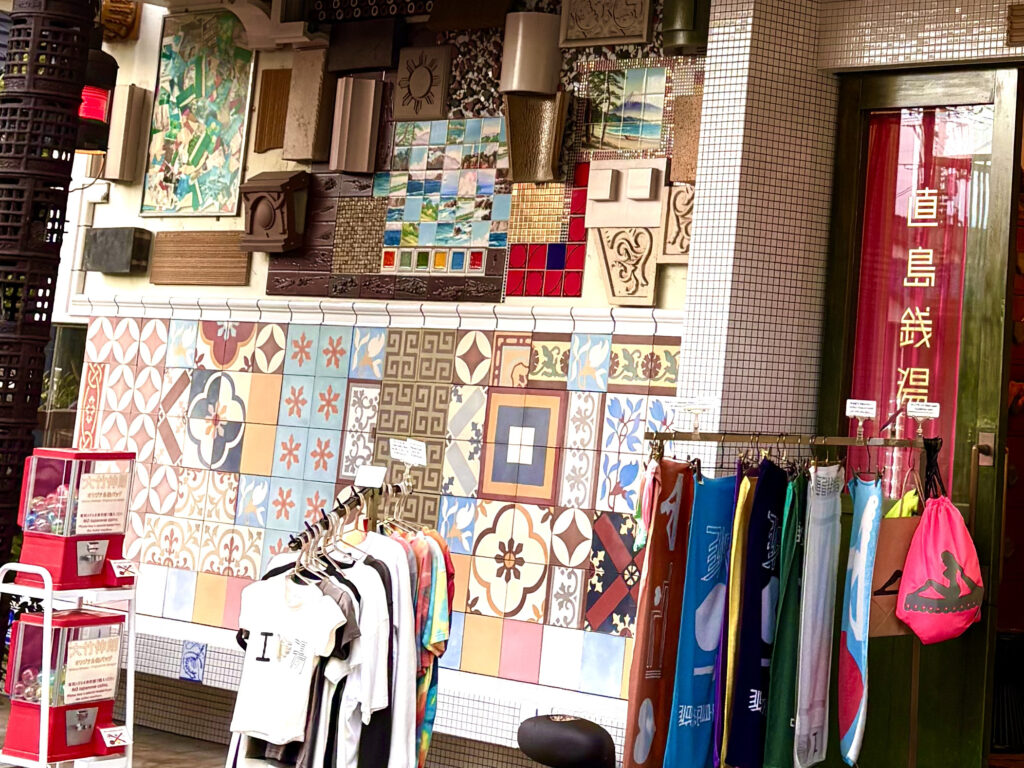
“I♥湯” is a fully functioning public bathhouse (sento) created by artist Shinro Ohtake, who applied his signature scrapbook-style approach across the entire building — bathtubs, wall murals, mosaics, even the restroom fixtures. It’s not a recreation or an installation you view from behind glass; it’s a real neighborhood bath that happens to double as one of Naoshima’s most talked-about artworks.
Finding Naoshima Note: Because it’s a working bathhouse and not a museum, don’t expect a curated “quick look” experience — plan to actually get in the water if you want the full effect. Peeking in from the entrance won’t show you much.
Hours, Closed Days, and Price
| Details | |
|---|---|
| Hours | 1:00 PM – 9:00 PM |
| Special viewing program | Sat/Sun/holidays, 1:00–3:50 PM |
| Closed | Mondays (open on national holidays; closed the following day instead) |
| Adult admission | ¥660 |
| Children (3–15) | ¥310 |
| Children 2 and under | Free |
| Naoshima residents | ¥320 |
Finding Naoshima Note: Monday is a heavy closure day across Naoshima generally, so if your trip lands on a Monday, check our guide to what’s open and closed on Mondays before building your schedule around “I♥湯.”
How to Actually Use It (For First-Timers)
If you’ve never been to a Japanese public bath, the etiquette is simple once you know it — but easy to get wrong if you don’t:
- Pay at the entrance and get a locker. Clothing and belongings go in a locker before you enter the bathing area.
- Bring a small towel, or buy one. Towel rental isn’t available here — you’ll need to bring your own or purchase one at the desk.
- Wash before you soak. Soap and shampoo are provided at the washing stations. Wash and rinse your entire body while seated before getting into any tub — this is non-negotiable bathhouse etiquette, not optional.
- No swimwear. You bathe as you would at home — swimsuits aren’t permitted in the tubs.
- Leave the camera in the locker. Photography isn’t allowed inside.
The facility also asks that anyone with an infectious condition, an upset stomach, or who has been drinking skip bathing that day — standard practice at sento across Japan, not specific to this one.
Finding Naoshima Note: One thing the official information doesn’t spell out is a tattoo policy, which is unusual for a Japanese bathhouse — many still restrict visible tattoos. If that applies to you, it’s worth a quick call ahead rather than assuming either way; I’d rather say “I don’t know for certain” than give you bad information at the door.
Is It Worth the Detour?
For most visitors, yes — it’s a genuinely different way to experience Naoshima’s art, and at ¥660, it’s one of the cheaper things you’ll do on the island. Just budget real time for it: this isn’t a five-minute stop, and rushing through defeats the point of the piece.
If you’re building a full-day route and want help fitting “I♥湯” in alongside the museums without missing last entry times elsewhere, a local guide can help sequence a day that includes it — though most travelers save it for a quieter moment rather than squeezing it between museum visits.