
Naoshima Day Trip vs. Overnight: Which Should You Choose?

Somewhere in your planning, you’ve probably landed on this exact question: is a day trip enough, or should you actually spend the night? It’s the single most common fork in the road for Naoshima trips, and honestly, there’s no universally right answer — just a right answer for your trip. Here’s what each option actually gets you.
What You’ll Realistically Miss on a Day Trip
Naoshima’s headline museums aren’t all open late, and a couple of them are stricter than people expect. Chichu Art Museum and Lee Ufan Museum both close at 5:00 PM (last entry 4:00 and 4:30 PM respectively), while Naoshima New Museum of Art closes even earlier, at 4:30 PM (last entry 4:00 PM). Benesse House Museum is the exception — it stays open until 9:00 PM (last entry 8:00 PM) — but the others simply aren’t there for you once the afternoon gets late.
Add in ferry timing on both ends of the day, and a day trip really only gives you a solid morning-through-late-afternoon window. That’s enough for the main sites if you keep the list focused, but it’s tight if you’re hoping to also wander Honmura, eat a leisurely lunch, and catch the Art House Project without feeling rushed.
Finding Naoshima Note: If you’re set on Chichu Art Museum specifically, remember that tickets go on sale on the 5th of the month, two months ahead, for timed entry. On-site window tickets exist (¥2,800 on weekdays, ¥3,000 on weekends and holidays) but are sold out on most days — a day trip doesn’t change that constraint, so book online early regardless of how long you’re staying.
What You Gain by Staying Overnight

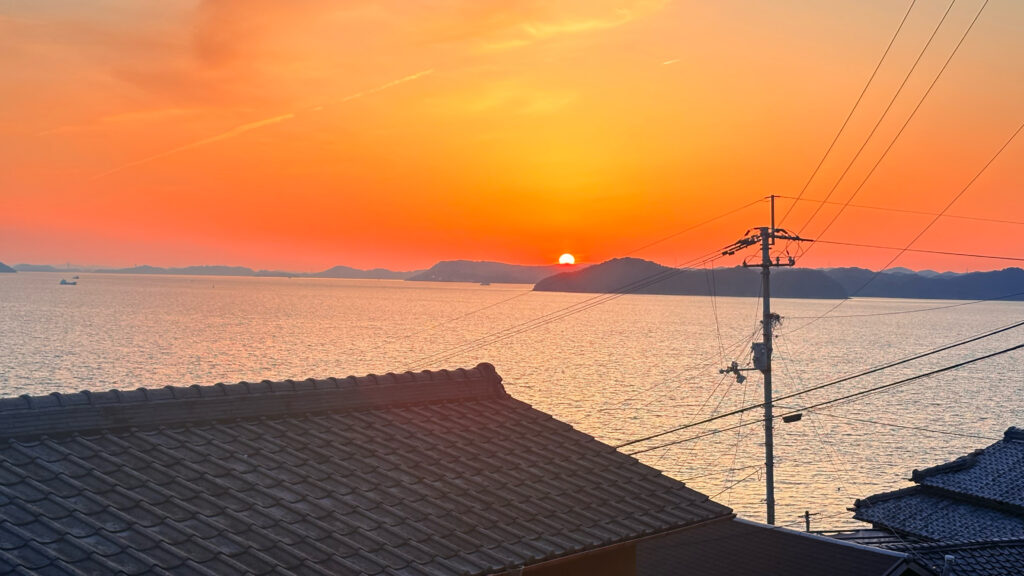
Staying even one night buys you the thing a day trip can’t: slack in the schedule. You’re not racing the last ferry, you can catch Benesse House Museum’s later evening hours without stress, and you get to experience the island once the day-trip crowds thin out — Naoshima at 6 PM is a genuinely different place than Naoshima at noon.
It also opens up a two-museum-a-day pace instead of cramming everything into one push, which matters if Chichu’s booking window didn’t line up with a single day and you need a second day to fit it in.
Finding Naoshima Note: You don’t have to stay on Naoshima itself to get these benefits. If island accommodation is full or pricier than you’d like, basing yourself in Uno Port or Takamatsu and ferrying over for two separate days works just as well logistically — see our guide on choosing where to stay for the trade-offs.
Quick Decision Checklist
A day trip probably works for you if:
- You only want to see 2–3 major sites, not the full lineup
- You’re already based in Takamatsu, Uno, or Okayama and don’t want to pack for an overnight
- Budget is tight and you’d rather skip accommodation costs entirely
- You’ve already secured a Chichu ticket (or aren’t prioritizing Chichu at all)
Staying overnight probably works better if:
- You want to see four or more major sites without rushing
- You haven’t locked in Chichu tickets yet and want a buffer day
- You’d like to experience the island in the quieter evening hours
- You’re combining Naoshima with a nearby island like Teshima or Inujima
Day Trip vs. Overnight, Side by Side

| Day Trip | Overnight Stay | |
|---|---|---|
| Realistic site count | 2–3 major museums | 4+ museums, more relaxed pace |
| Schedule pressure | High — tied to ferry times | Low — no last-ferry deadline |
| Evening access (Benesse House) | Rarely, if arriving late | Yes, until 9 PM |
| Cost | No accommodation needed | Accommodation added to admission costs |
| Best if Chichu ticket is unconfirmed | Riskier — one shot | Safer — extra day as backup |
Whichever you land on, having a concrete plan makes the difference. If you’re going the day-trip route, our 1-day itinerary lays out a realistic hour-by-hour route. If you’re staying overnight, the 2-day itinerary walks through how to split things across two days depending on whether your Chichu booking comes through.
Finding Naoshima Note: If you’re genuinely on the fence right up until the last minute, check the final ferry departure time for your return port before deciding — it’s the one detail that turns “maybe overnight” into “definitely overnight” faster than anything else.