
Ando Museum Tickets: Hours, Admission, and the Lunch Break Most Visitors Miss
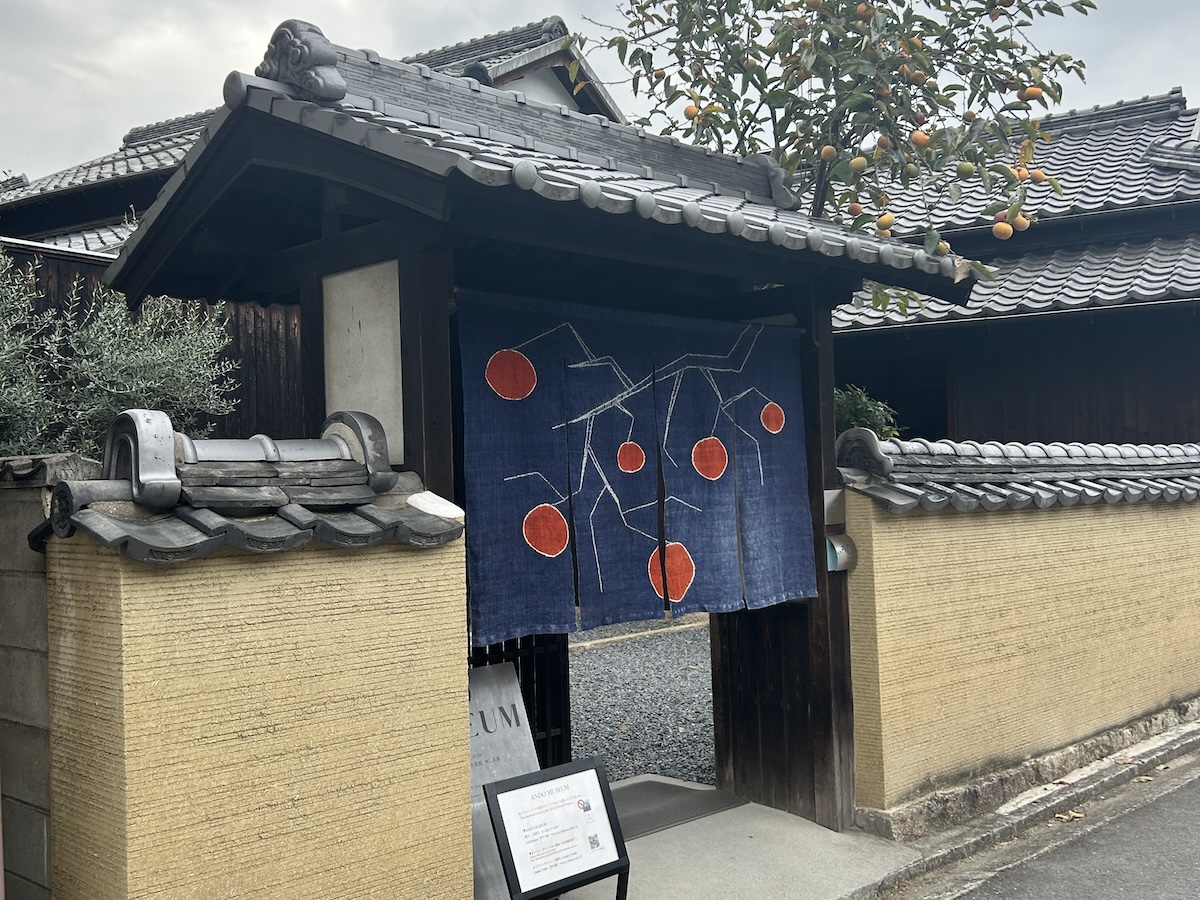
Ando Museum is the eighth building Tadao Ando designed on Naoshima, tucked inside a roughly 100-year-old wooden house in Honmura that he renovated rather than replaced. It opened on March 12, 2013, and from the street it still looks like a traditional home — it’s only once you step inside that the bare concrete and carefully cut light openings give away who designed it. Here’s what you actually need to know before you go: the hours, the price, and one scheduling quirk that catches a lot of visitors out.
Opening Hours: There’s a Lunch Break
Ando Museum runs 10:00 a.m.–1:00 p.m. and 2:00–4:30 p.m., with last entry at 4:00 p.m. That gap in the middle isn’t a typo — the museum genuinely closes for an hour over lunch, which is unusual among Naoshima’s major art sites and easy to miss if you’re building a tight itinerary around it.
Finding Naoshima Note: If you’re planning a Honmura walking route that includes Ando Museum, don’t schedule your arrival for 1:00–2:00 p.m. It happens to be prime time for a lot of day-trip itineraries, and showing up then just means waiting outside.
The museum is closed on Mondays. If a Monday happens to be a national holiday, it opens that day instead and closes the following weekday — the same pattern as Naoshima’s other major museums.
Admission: ¥600 Online, ¥700 at the Door
Tickets are ¥600 if bought online in advance, or ¥700 at the counter on the day. Visitors 15 and under get in free. Unlike Chichu Art Museum, this isn’t a fully timed-reservation system — buying online is encouraged and slightly cheaper, but same-day walk-up tickets at the counter are genuinely available, so a missed online window doesn’t lock you out the way it can elsewhere on the island.
Finding Naoshima Note: Some older write-ups of Ando Museum quote a ¥520 admission fee. That’s outdated — the current official rate, confirmed directly on Benesse Art Site Naoshima’s site, is ¥600 online / ¥700 at the door.
What’s Actually Inside
Ando Museum isn’t a gallery of paintings — it’s a museum about the architect himself. Inside, you’ll find architectural models and sketches from across Ando’s career, including projects like the Church of the Light and Naoshima’s own Chichu Art Museum, alongside displays that walk through his approach to space, concrete, and natural light. The building itself is really the main exhibit: the traditional exterior gives no hint of the poured-concrete interior waiting behind it, and the way daylight moves through the narrow openings changes noticeably depending on when you visit.
Photography policy isn’t explicitly published on the official site for this particular building — if it matters to you, it’s worth asking staff when you arrive rather than assuming either way.
Getting There
Ando Museum sits in the Honmura district, an easy walk from the Art House Project sites and Honmura Port. If you’re spending a day around Honmura, it fits naturally into the same loop as the Art House Project and nearby restaurants — no separate trip required.
For the fuller story behind Ando’s work on Naoshima — the philosophy, not just the visiting logistics — our feature on Tadao Ando’s vision for the island goes deeper into that side of things.
FAQ

- What are Ando Museum’s opening hours?
-
10:00 a.m.–1:00 p.m. and 2:00–4:30 p.m. (last entry 4:00 p.m.), with a closure over lunch from 1:00–2:00 p.m. It’s closed on Mondays, except when Monday is a public holiday, in which case it closes the next day instead.
- How much does Ando Museum cost?
-
¥600 for an online ticket, ¥700 at the door. Visitors 15 and under are admitted free.
- Do I need to book Ando Museum in advance?
-
Not strictly. Online tickets are cheaper and recommended, but same-day tickets are available at the counter — unlike Chichu Art Museum, there’s no fully timed-reservation system here.
- Is Ando Museum worth visiting if I’ve already seen Chichu Art Museum?
-
Yes, if you’re interested in Ando’s architecture specifically — this is the one museum on Naoshima built entirely around his work and philosophy, rather than displaying other artists’ pieces inside a building he designed.