How to Get to Naoshima from Tokyo, Kyoto, and Osaka: Complete Ferry & Train Guide
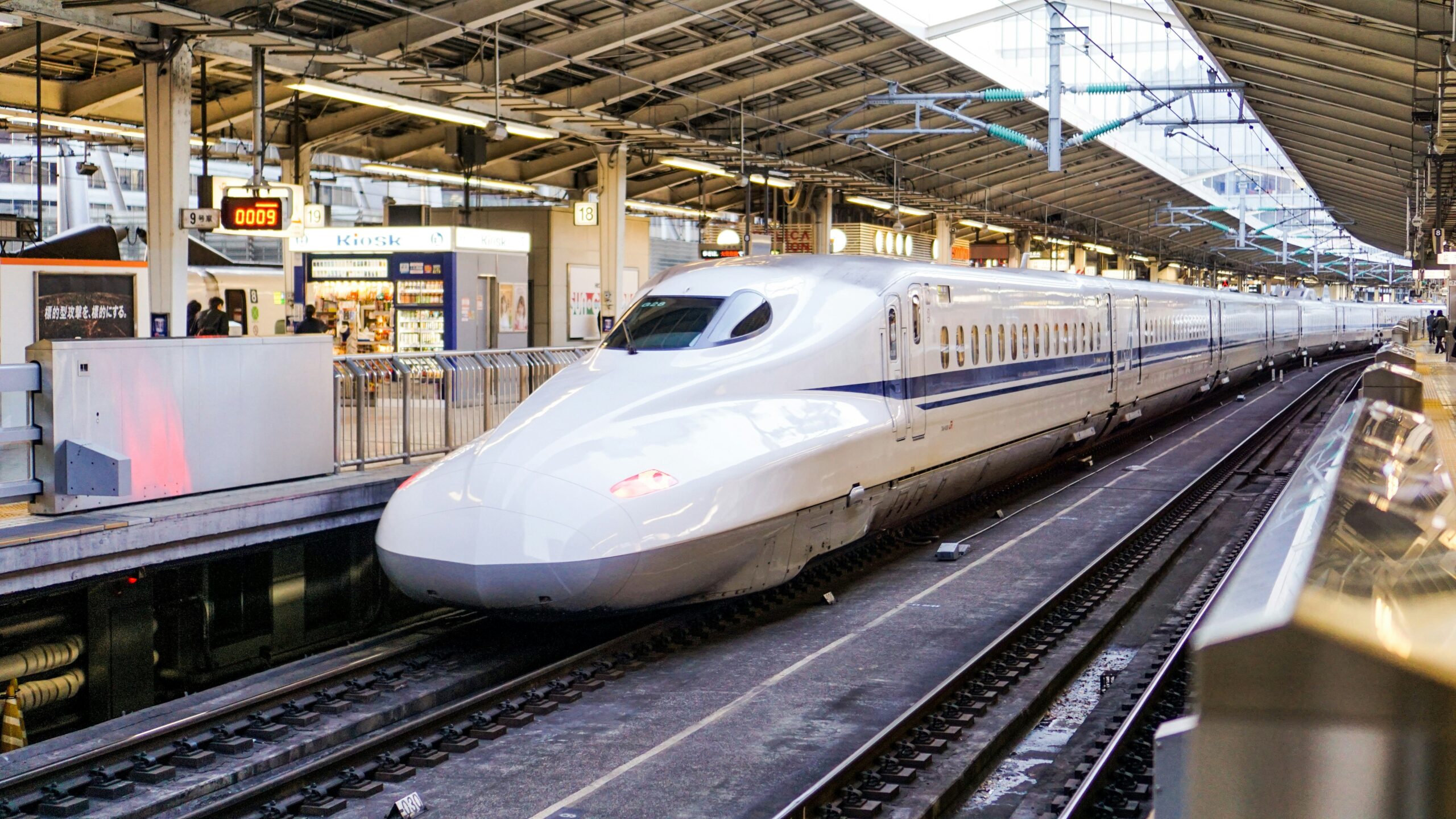
Reaching Naoshima—Japan’s world-renowned “Art Island” nestled in the Seto Inland Sea—is an unforgettable journey in itself. While the island feels wonderfully remote, getting here is surprisingly straightforward once you understand the route. Because Naoshima has no airport or land bridges, every journey culminates in a scenic ferry ride across calm coastal waters.
Whether you are starting your journey from the bustling metropolis of Tokyo or the cultural hubs of Kyoto and Osaka, this comprehensive guide will walk you through every step, train transfer, ferry connection, and insider travel strategy.
Designed by the local experts at Finding Naoshima, this guide ensures your transit is as seamless and stress-free as the island experience itself.
Route Overview: The Golden Path to Naoshima
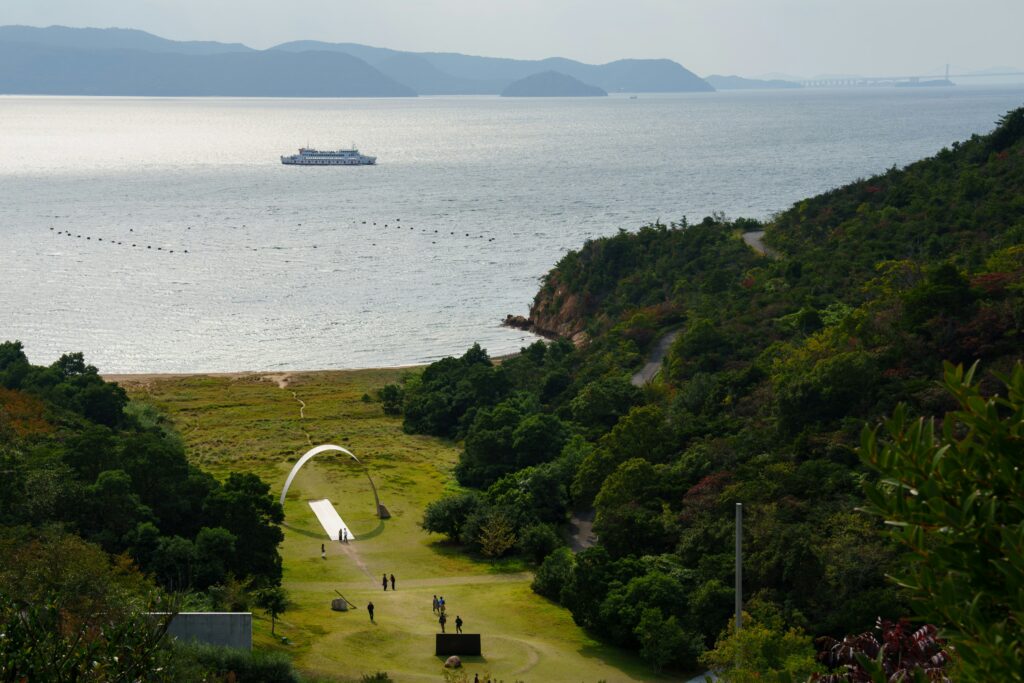
No matter which major Japanese city you depart from, your journey follows a simple, proven three-stage sequence:
[ Your Starting City ] (Tokyo / Kyoto / Osaka)
       │  Shinkansen (Bullet Train)
       ▼
[ Okayama Station ]
       │  Local Train or Highway Bus
       ▼
[ Ferry Gateway ] ──► Option A: Uno Port (Okayama)
                  ──► Option B: Takamatsu Port (Kagawa)
       │  Passenger Ferry or Passenger Gun
       ▼
[ Naoshima Island ] (Miyanoura Port or Honmura Port)
The key decision you will make is choosing your Ferry Gateway:
- Uno Port (Okayama Prefecture): The shortest, most frequent, and most popular ferry route to Naoshima (approx. 20 minutes).
- Takamatsu Port (Kagawa Prefecture): Ideal if you are combining your trip with Shikoku or staying in Takamatsu city (approx. 50 minutes by ferry or 30 minutes by high-speed speedboat).
Part 1: How to Get to Naoshima from Tokyo
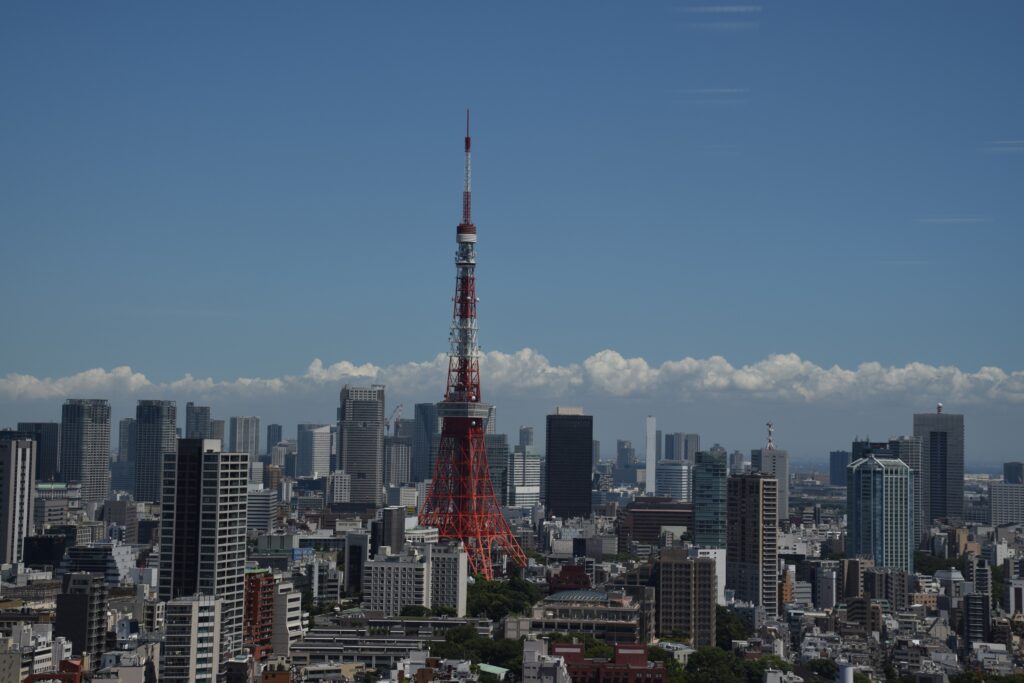
Travelling from Tokyo to Naoshima takes roughly 4 to 4.5 hours in total. Starting early in the morning allows you to arrive on the island just in time for a seafood lunch at Miyanoura Port.
Step 1: Tokyo Station to Okayama Station (Shinkansen)
- Train Type: JR Tokaido-Sanyo Shinkansen (Nozomi, Hikari, or Sakura)
- Travel Time: ~3 hours 15 minutes (via Nozomi) or ~3 hours 40 minutes (via Hikari)
- Cost: ~¥16,500 – ¥17,500 (Reserved Seat)
- JR Pass Note: The Hikari train is fully covered by the standard Japan Rail Pass. If taking the faster Nozomi, a small supplemental ticket upgrade is required.
Finding Naoshima Local Tip: Sit on the Right Side (Seat E) of the Shinkansen when departing Tokyo for a breathtaking view of Mount Fuji as you pass through Shizuoka!
Step 2: Okayama Station to Uno Port
Once you arrive at Okayama Station, you have two excellent transit options to reach Uno Port:
- Option A: JR Uno Line Train (Recommended)
- Take the JR Uno Line (sometimes labeled as the Seto-Ohashi Line bound for Uno).
- Travel Time: ~45 to 55 minutes (direct trains run regularly; some transfers require changing at Chayamachi Station).
- Cost: ¥590 (Fully covered by JR Pass).
- Option B: Ryobi Highway Bus
- Board the direct Ryobi Bus from Okayama Station Bus Terminal (Bay 2) straight to Uno Port.
- Travel Time: ~70 minutes.
- Cost: ~¥700.
Step 3: Uno Port to Naoshima (Miyanoura Port)
- Ferry Operator: Shikoku Kisen
- Ferry Types:
- Car Ferry: ~20 minutes (¥370 one-way)
- Passenger Passenger Speedboat: ~15 minutes (¥370 one-way)
- Frequency: Approximately 13 to 15 departures daily.
Part 2: How to Get to Naoshima from Kyoto & Osaka
Because Kyoto and Osaka are situated much closer to Okayama, traveling to Naoshima from the Kansai region is exceptionally fast, taking between 2 to 2.5 hours. This makes Naoshima a viable (though action-packed) day trip, or an easy overnight excursion.
From Osaka to Naoshima (~2 Hours Total)
Step 1: Shin-Osaka to Okayama Station
- Train Type: Sanyo Shinkansen (Nozomi, Mizuho, Sakura, or Kodama)
- Travel Time: ~45 minutes
- Cost: ~¥5,600 – ¥6,200
Step 2: Okayama Station to Uno Port
- Take the JR Uno Line train (~50 minutes, ¥590).
Step 3: Uno Port to Naoshima (Miyanoura Port)
- Board the Shikoku Kisen Ferry (~20 minutes, ¥370).
From Kyoto to Naoshima (~2.5 Hours Total)
Step 1: Kyoto Station to Okayama Station
- Train Type: Tokaido-Sanyo Shinkansen (Nozomi or Hikari)
- Travel Time: ~60 to 70 minutes
- Cost: ~¥7,200 – ¥7,900
Step 2 & 3: Transit via Uno Port
- Transfer at Okayama Station to the JR Uno Line to Uno Port (~50 minutes), then board the ferry to Naoshima (~20 minutes).
Part 3: Alternative Route via Takamatsu Port (Shikoku Gateway)
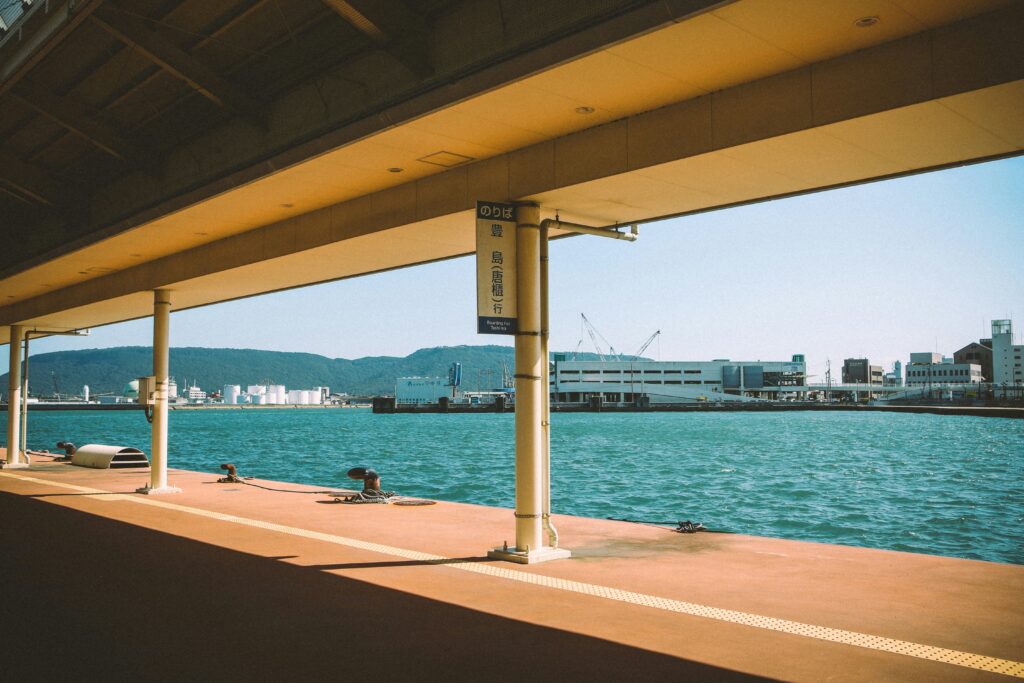
While Uno Port is the geographically closer mainland hub, Takamatsu Port in Kagawa Prefecture is a spectacular alternative gateway. Choose this route if you are flying into Takamatsu Airport, exploring the island of Shikoku, or staying in Takamatsu city.
[ Tokyo / Osaka / Kyoto ]
       │  Shinkansen to Okayama
       ▼
[ Okayama Station ]
       │  JR Marine Liner Express (~55 mins)
       ▼
[ Takamatsu Station / Takamatsu Port ]
       │  Ferry (~50 mins) OR Speedboat (~30 mins)
       ▼
[ Naoshima (Miyanoura Port) ]
Route Breakdown:
- Okayama to Takamatsu Station: Board the JR Marine Liner rapid train across the grand Seto-Ohashi Bridge (~55 minutes, ¥1,550).
- Takamatsu Station to Takamatsu Port: A 5-minute flat walk across the station plaza.
- Takamatsu Port to Naoshima:
- Car Ferry: 50 minutes (¥680)
- High-Speed Passenger Boat: 30 minutes (¥1,590)
Essential Luggage Strategies: Travel Light & Smart
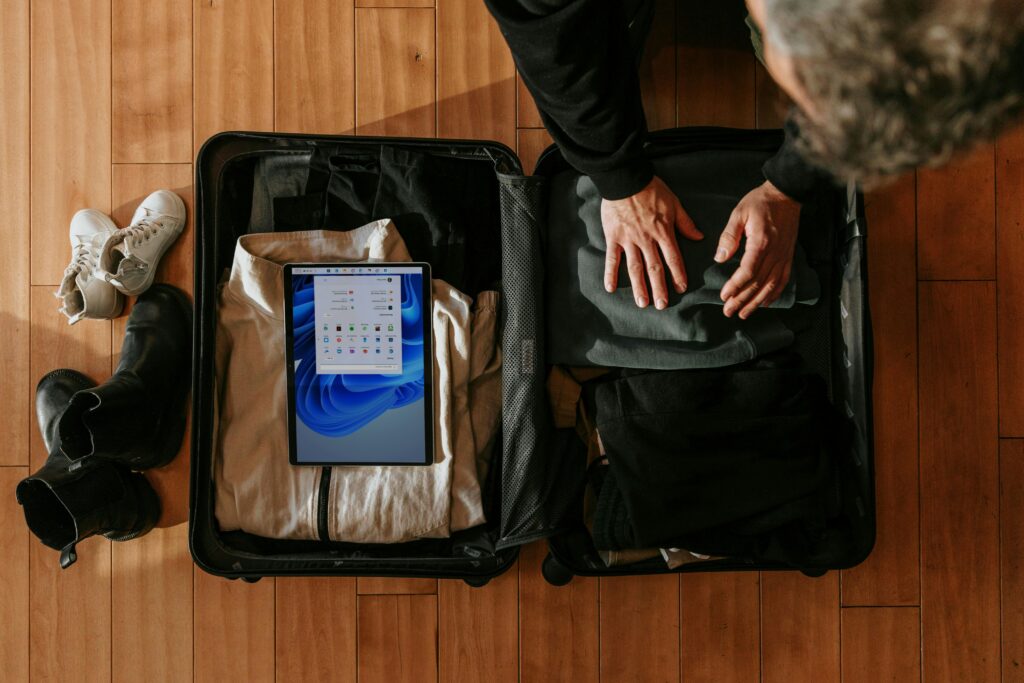
Handling large suitcases (Shinkansen-size luggage) on local trains, narrow ferry boarding ramps, and island buses is one of the most common pitfalls for international travelers.
To ensure a comfortable journey, adopt one of these local luggage strategies:
1. Hands-Free Travel (Takkyubin Luggage Forwarding)
The ultimate way to travel in Japan. Forward your large suitcases directly from your hotel in Tokyo, Kyoto, or Osaka to your next major mainland hotel (e.g., in Hiroshima, Kanazawa, or back in Tokyo) using services like Yamato Transport (Black Cat). Carry only a lightweight 1-to-2-day overnight backpack to Naoshima.
2. Coin Lockers at Gateway Ports
If you must travel with heavy luggage, do not bring it onto the island buses. Utilize storage facilities before boarding the boat:
- Miyanoura Port Terminal (Naoshima): Offers coin lockers and a dedicated luggage storage desk.
- Uno Port & Takamatsu Port Terminals: Both offer extensive coin locker facilities.
7 Crucial Travel Tips for a Flawless Journey
To guarantee your journey to Naoshima goes off without a single hitch, keep these insider secrets from the Finding Naoshima team in mind:
Mind the Monday Closure Rule
Most major museums (including Chichu Art Museum and Art House Project installations) and local restaurants are closed on Mondays. If Monday is a national holiday, they open on Monday and close on Tuesday instead. Plan your transit days accordingly!
Book Chichu Art Museum Tickets Weeks Ahead
Tickets for Tadao Ando’s subterranean masterpiece are strictly timed-entry and sold online. They often sell out 3 to 4 weeks in advance. Do not board the ferry without securing your entry slot!

Have Physical Japanese Yen (Cash) Ready
While museums accept credit cards, local island buses, ferry vending machines, luggage lockers, and traditional cafes are strictly cash-only.

Rent an Electric-Assist Bicycle Immediately
Naoshima’s terrain is unexpectedly hilly. Upon stepping off the ferry at Miyanoura Port, head straight to the bicycle rental shops across the street to reserve an electric power-assist bike before they sell out.
Double-Check the Last Ferry Times
Ferries do not run 24 hours a day. The last ferry from Naoshima back to Uno or Takamatsu departs around 20:00 to 20:30 (schedules vary by season). Missing the final boat can result in a stranded, costly situation.
Watch for Weather Disruptions
High winds or typhoons (particularly in late summer and early autumn) can occasionally cause ferry cancellations. Always check the official Shikoku Kisen website for real-time operational status during stormy weather.
Budget Extra Time for the Naoshima New Museum of Art
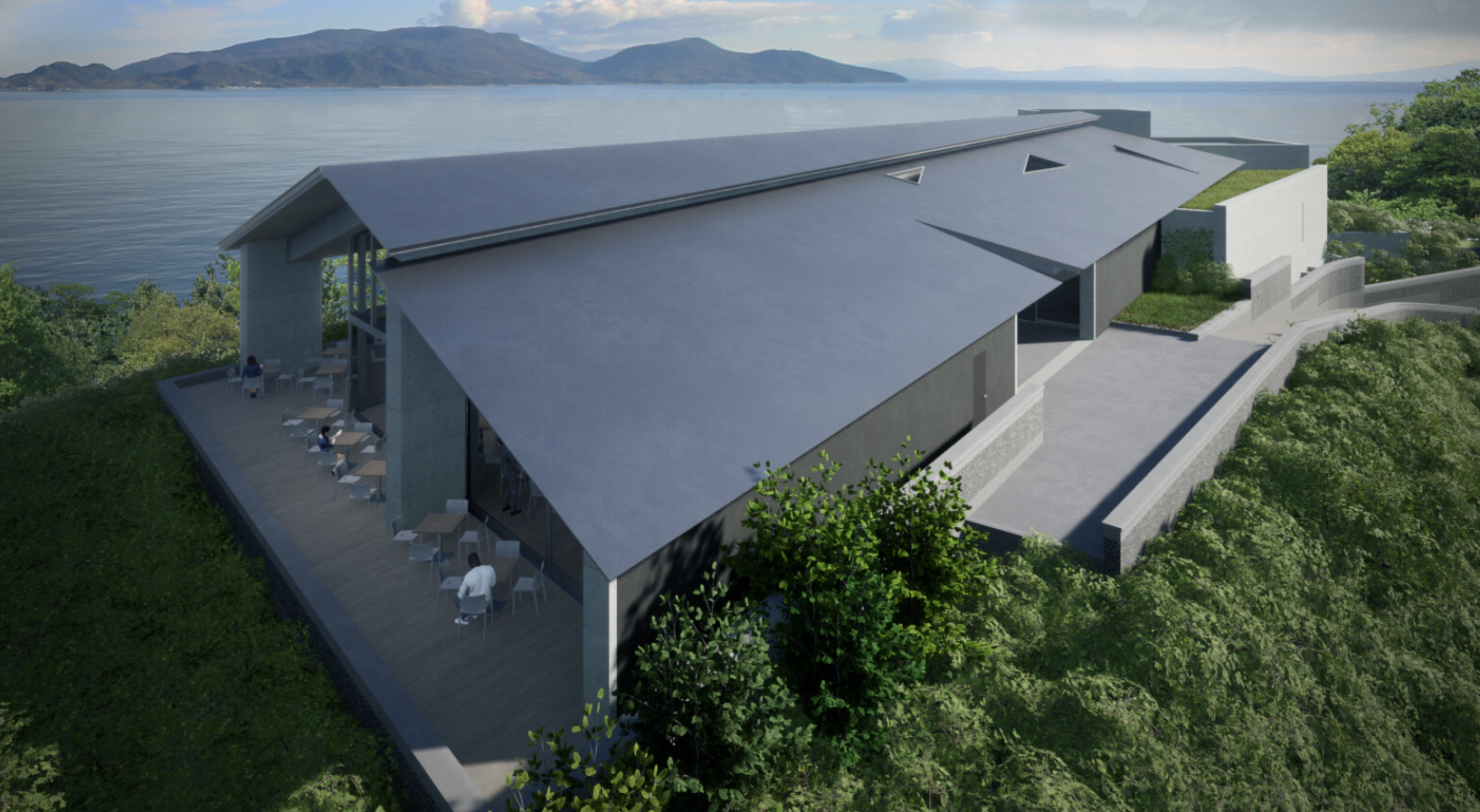
Opened in May 2025, Tadao Ando’s 10th architectural site on the island adds significant ground to cover. Allow at least a full day (or an overnight stay) to thoroughly explore all art areas.
Frequently Asked Questions (FAQ)
Can I do a day trip to Naoshima from Tokyo?
While technically possible via the first Shinkansen of the morning, it is not recommended. You would spend over 8 to 9 hours in transit for only 4 hours on the island. A day trip from Osaka or Kyoto, however, is very manageable.
Is the ferry to Naoshima covered by the JR Pass?
No. The ferries connecting Uno Port and Takamatsu Port to Naoshima are operated by a private company called Shikoku Kisen. JR Passes do not cover ferry tickets (fares are very affordable, ranging from ¥300 to ¥520). However, all JR Shinkansen and local trains up to Uno Station or Takamatsu Station ARE covered by the JR Pass.
Where does the ferry dock on Naoshima?
Most passenger and car ferries arrive at Miyanoura Port (宮浦港) on the western side of the island. A few select ferries from Uno arrive at Honmura Port (本村港) on the eastern side, placing you right in the center of the Art House Project.
About Our Tour called “Finding Naoshima Tour”
We also offer guided tours of Naoshima called “Finding Naoshima Tour”, a private tour service led by locals born and raised on Naoshima.With deep roots in the island, we share Naoshima’s unique history, rich culture, and breathtaking scenery from a local perspective.
Whether it’s hidden photo spots, stories behind the artworks, or the charm of island life, we guide you through it all.Each tour is fully private, allowing for a personalized and relaxed experience at your own pace.
Let us show you the real Naoshima—beyond the museums and into its heart.